The interplay between consumer behavior and environmental impact has never been more scrutinized. Today, individuals and businesses alike are recognizing the importance of adopting sustainable practices that not only benefit the planet but also make economic sense. In the realm of water heating systems, for instance, decisions about hot water tank installation and maintenance can contribute significantly to energy conservation and sustainability. Understanding how these choices affect both the environment and consumers is essential for fostering responsible practices.
The Role of Water Heating in Sustainability
Water heating is one of the largest energy expenses in residential and commercial buildings. Traditional water heaters consume substantial amounts of electricity or gas, leading to significant greenhouse gas emissions. However, with advancements in technology, there are now more sustainable options available. High-efficiency models, including tankless water heaters, provide hot water on demand without the continual energy drain associated with conventional units.
Investing in modern water heating solutions can yield long-term savings on utility bills while reducing environmental footprints. For example, a tankless model can save up to 30 percent more energy than traditional units because it heats water only when needed. This efficiency translates into fewer resources consumed over time.
Hot Water Tank Installation: A Sustainable Approach
Choosing to install a new hot water tank requires thoughtful consideration regarding both efficiency and environmental impact. When selecting a hot water heater for installation, look for Energy Star-rated models that meet strict efficiency guidelines set by the Environmental Protection Agency (EPA). These systems utilize advanced insulation technology and efficient heating elements to minimize energy loss.
Moreover, during the installation process, proper site assessment is crucial. Factors such as location, existing infrastructure, and user needs should all be evaluated to ensure optimal performance. A qualified professional can help design a system that maximizes efficiency while addressing specific requirements of both residential and commercial settings.
Maintenance Matters: Ensuring Longevity and Efficiency
Regular maintenance is key to ensuring that hot water tanks operate efficiently throughout their lifespan. Neglecting routine care can lead to common issues such as sediment buildup in the tank or malfunctioning heating elements. Sediment accumulation not only reduces heating efficiency but can also shorten the lifespan of the unit.
Homeowners should schedule annual flushing services to remove sediment from their tanks. This simple step helps maintain efficiency and prolongs the life of the heater. Additionally, periodic inspections for leaks or corrosion can prevent larger issues down the road—saving both money and resources.
For those who may encounter problems such as a leaking water heater or no hot water repair situations, prompt professional intervention is essential. These repairs often involve replacing critical components like thermostats or heating elements which are integral to system performance.
The Benefits of Professional Water Heater Services
Engaging professional services for both installation and repair ensures that systems are set up correctly from the start and maintained properly over time. Professionals have access to advanced tools and technologies that allow them to diagnose issues quickly—reducing downtime for consumers who rely heavily on their hot water supply.
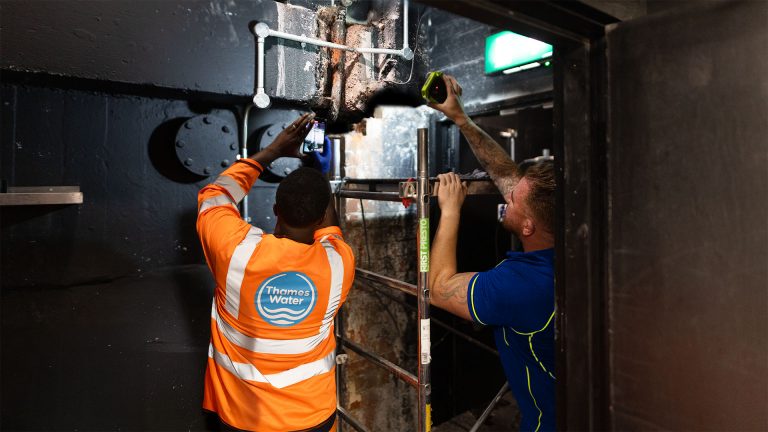
When seeking out professional help for water heater repair or replacement, consider companies that prioritize sustainable practices in their operations. Many reputable providers now focus on eco-friendly methods such as recycling old units responsibly and using environmentally safe materials during installations.
Embracing Renewable Energy Solutions
Renewable energy sources represent some of the most promising avenues for sustainable hot water production. Solar thermal systems harness sunlight directly to heat water, offering an efficient alternative especially suited for warm climates with ample sunshine.
Investing in solar-powered systems involves higher upfront costs compared to traditional options; however, they can significantly reduce long-term energy expenses while decreasing reliance on fossil fuels. Furthermore, many regions offer incentives such as tax credits or rebates for installing solar energy systems which can offset initial investments considerably.
For businesses looking at commercial applications, integrating renewable technologies into existing infrastructures not only enhances sustainability but also boosts corporate responsibility images among consumers increasingly concerned about environmental stewardship.
Consumer Education: A Pathway Forward
Encouraging sustainable practices relies heavily on consumer awareness and education about available options within their reach. Many individuals remain unaware of how much energy traditional hot water systems waste annually or what steps they might take toward improvement.
Educational initiatives could include community workshops hosted by local plumbing experts discussing energy-efficient appliances alongside practical tips for maintenance at home—such as recognizing signs of wear-and-tear early enough before they escalate into costly repairs or replacements.
With increased knowledge comes greater accountability; consumers will likely feel empowered making informed choices reflecting their values around sustainability—whether opting for an eco-friendly model during installation or committing themselves to regular maintenance routines extending product lifespans while saving money overall.
Building Sustainable Communities
On a larger scale than individual households lies an opportunity for collective action through community programs promoting sustainability initiatives focused on shared resources among neighbors—like communal solar installations powering shared spaces within neighborhoods alongside public education efforts raising awareness about responsible consumption habits tied directly back into reducing carbon footprints collectively attributed back outwards toward broader ecological impacts over time through collaboration amongst peers sharing similar goals pursuing greener living together harmoniously enhancing quality-of-life benefits across board simultaneously benefiting everyone flush your water heater services involved directly!
Ultimately creating environments conducive towards fostering collaborative relationships around shared responsibilities yields positive outcomes promoting healthier lifestyles benefiting both communities engaged collaboratively alongside mother nature herself thriving together moving forward sustainably paving pathways toward brighter futures ahead!
By intertwining consumer choices with sustainable technology advancements regarding hot-water-tank installations effective long-term strategies emerge ensuring mutual benefits resonate widely between users enjoying lower utility costs paired seamlessly alongside diminishing negative impacts inflicted upon our planet collectively working hand-in-hand preserving it betterment generations yet unborn!
Emphasizing this dynamic relationship offers tremendous potential when approaching sustainability through innovative solutions marrying practicality convenience accessibility always prioritizing environment-friendly alternatives wherever feasible encouraging continuous growth development realizing lasting changes ripple-effect spread throughout society inspiring others join movement advocating change together!